ב"ה


Everyone inherits something. Not everyone adds to it. In two stories from Tractate Chagigah, students engage with the same mystical wisdom and trigger miraculous reactions, yet one earns dramatically more praise than the other. This lesson explores why, examining the difference between faithfully passing on what you've received and building something new from it. The real question isn't whether the greatest sages could contribute something original to Torah. It's whether you can.


The inside story of the horror and pain felt by Chasidim after the Rebbe's heart attack on Shemini Atzeret, and the jubilant joy at his miraculous recovery and finally returning home on Rosh Chodesh Kislev. This presentation lets you experience the timeline of this fascinating story as it took place.


A case study of identical twins provides perspective
Why is it so important to perform all the details of halachah in such an exacting manner? Should not the focus merely be about our sense of devotion and love and care for one another? A deeper look into the genetic makeup and rivalry of the identical twins Yaakov and Eisav offers insight into this matter. (A lecture at the Jewish Women’s Retreat in Toronto in 2015)

The mystical dimension of Yitzchak’s awesome blessings
When Yitzchak bestows the blessing of the first-born, rather than invoking the name of G-d associated with mercy and benevolence, he invokes the name of G-d associated with judgment and severity. This class will explain this oddity and offers an encouraging message for our times.

The different character traits of our patriarch Yitzchak
The very name Yitzchok (Isaac) means joy. Yet Yitzchok is classically described as personifying the properties of discipline, awe and strict justice. How are we to reconcile these contrasting attributes and what is the lesson for our personal lives? (Likutei Sichos vol. 30)

Jacob and Esau wrestled with each-other while yet in their mother's womb. Their struggle, explain our Sages, was over possession of both this world – the physical, and the hereafter – the spiritual. But why the battle over both worlds?! Jacob desires the world of holiness and spirituality and Esau the sensual, material world. So what's to fight about? Each to his own! (Likutei Sichos vol 20)


Letters and Numbers of Torah - Toldot
This portion begins with the verse, “These (Jacob and Esau) are the offspring of Yitzchak" but the Hebrew word for offspring (toldot) is missing a letter vav. Also, when it says that Rebecca is pregnant with twins, the Hebrew word for twins (te'omim) is missing a letter aleph.


Erudite elucidation of the Parsha’s opening establishes its primary narrative; leading into cryptic and conflicting traditions about the terrestrial years our Patriarchs Abraham, Isaac and Jacob spent in unison. Exploring diverse meanings of these cherished teachings leads us into a profound new understanding and appreciation of foundational Torah commentary. The emerging enlightenment ultimately provides incredible insight for the possibility of Jewish unity in these stormy times!


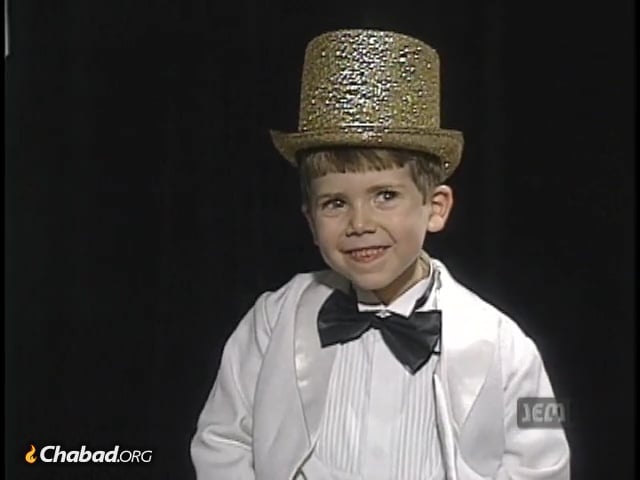


Children’s Rally, 25 Kislev, 5741 • December 3, 1980
The Chanukah battle and victory were immortalized by the Sages. The candles evoke the memory of the small group of Jews who fought those who had opposed the Torah.
Today, we each battle our own evil inclination as well. Our victories, as well, will be eternally remembered.
Our current mission and battle is for the coming of Moshiach, as we request three times a day during prayer. Although we only request his coming three times a day, we yearn for him “all day”!


7th Night of Chanukah, 5748 · December 21, 1987
When a Jew celebrates Chanukah, he may be confronted: “You Jews are so few compared to
the nations of the world. Yet you hold fast to your customs and commandments, ignoring what
the billions of non-Jews around you think and do… Wherein lies your strength to stand in the
face of such odds?”

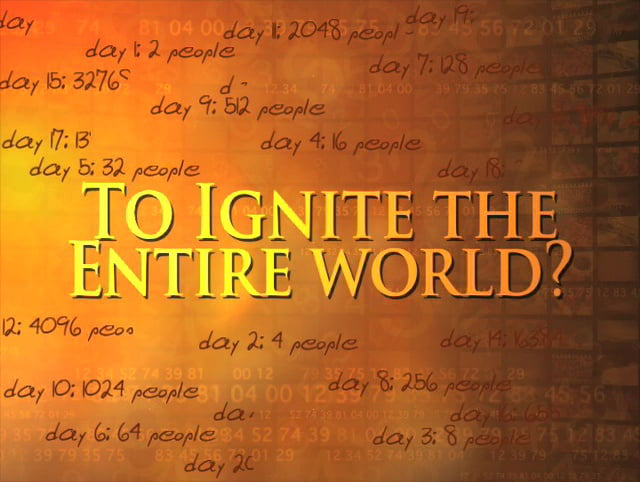
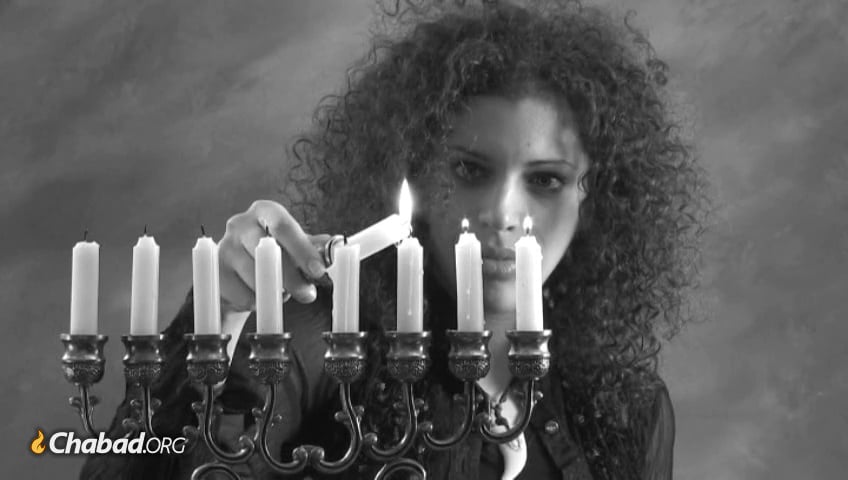


Chanukah reminds every Jew that it is G-d’s eternal mandate to carry the torch of His
“Mitzvah-candle and Torah-light.” With most Mitzvos, the “candle” and “light” are not
physically visible. But with the Chanukah candles we see how fulfilling the Mitzvah creates
actual physical light that illuminates all one’s surroundings.


Two Versions of the Timeline of the Maccabee's Victory
Among the early Talmudic commentaries, there are two opinions about the chronology of events commemorated on Chanukah. One says that the war was won on the 24th of Kislev and that the first day of Chanukah, the 25th of Kislev, is the anniversary of the first day of peace. The other says that on one day, the 25th of Kislev, the Maccabees both won the war and rededicated the Temple.


Get the Chabad.org Video app